
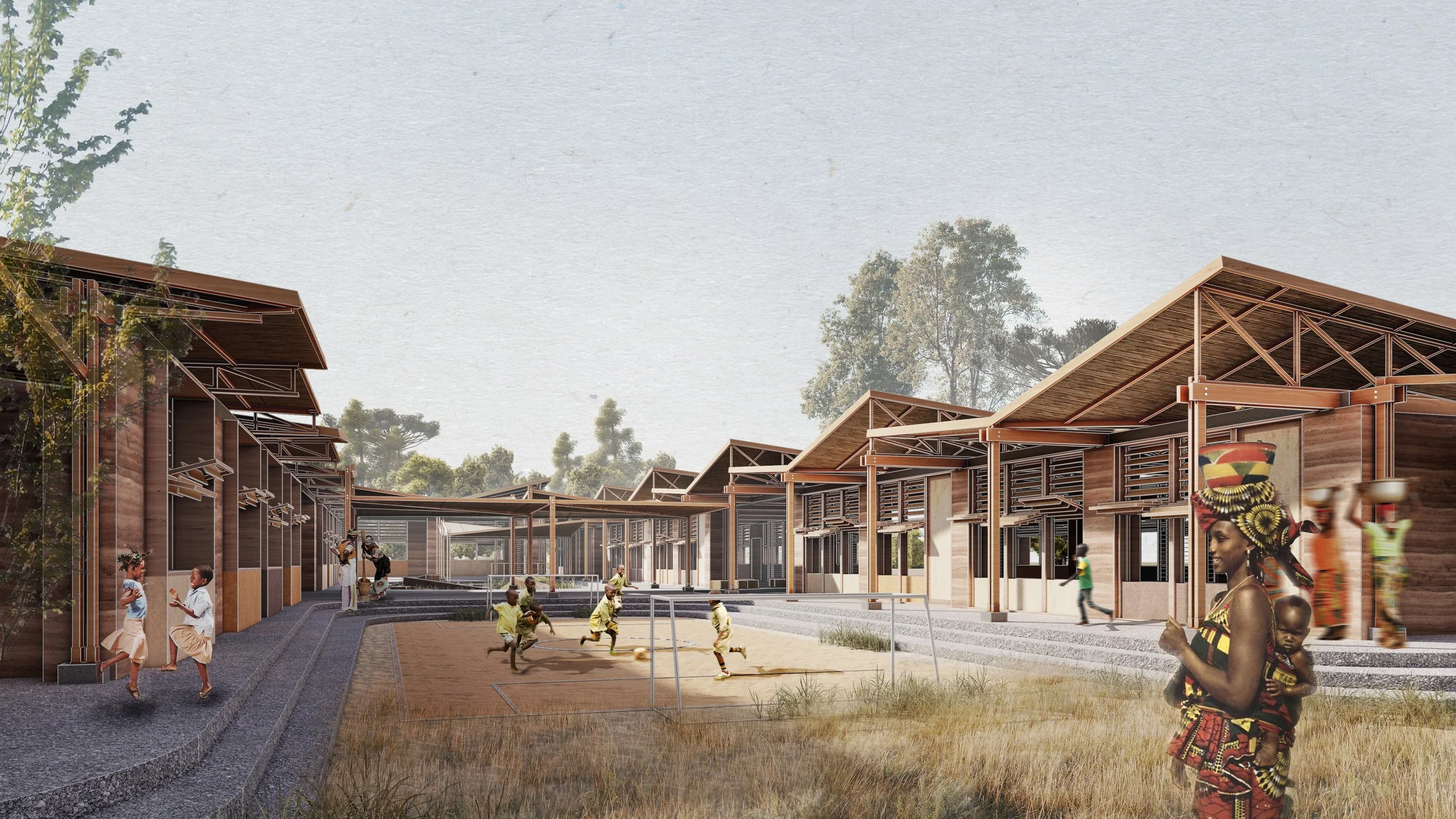
The Co-School____Hiddi & Dillu - Ethiopia
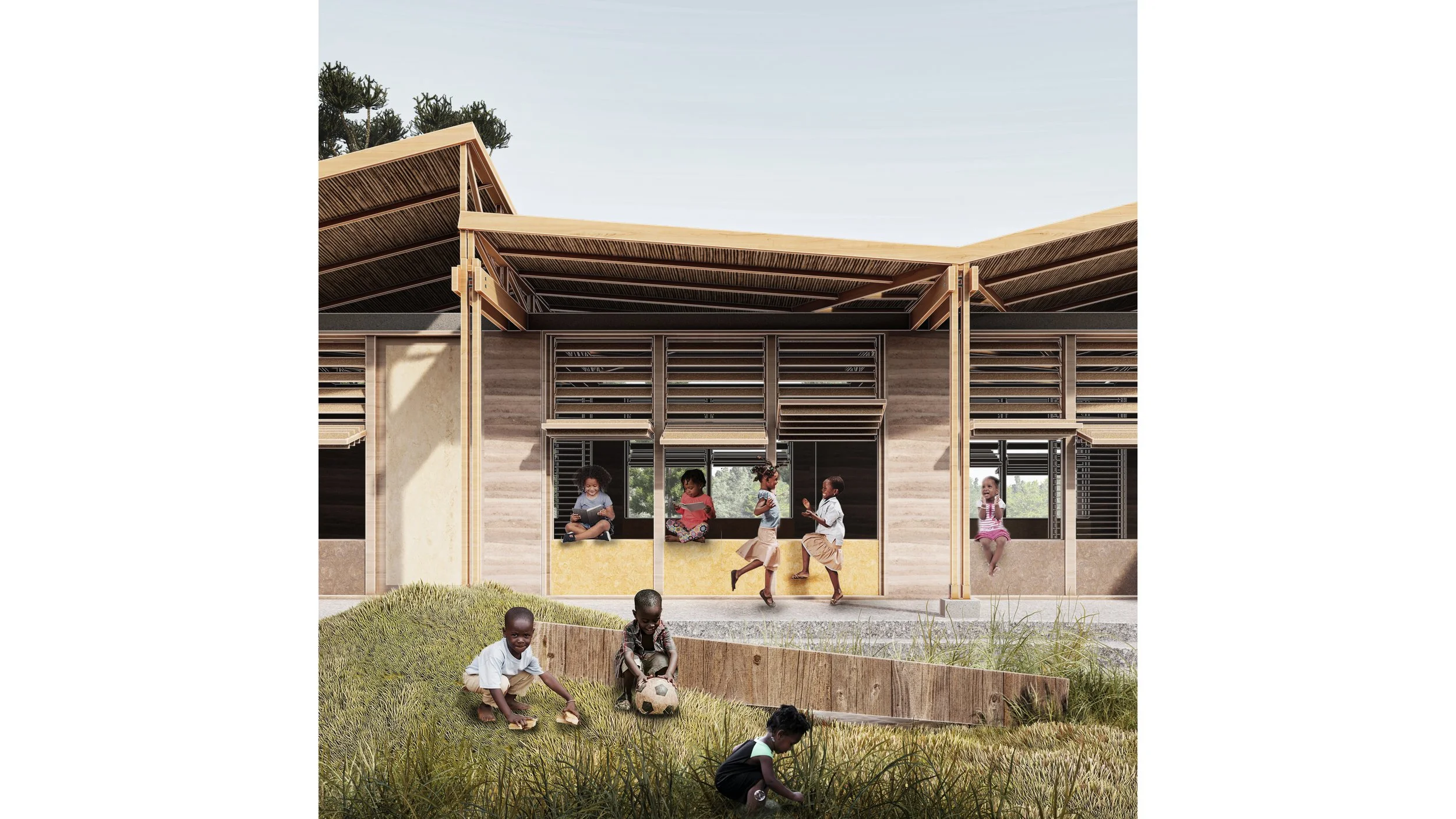
Primary Schools - Hiddi & Dillu
-
Hiddi and Dillu - Ethiopia
-
3000 sqm
-
-
-
Item description
Learning Through Exploration - An Interactive Environment for Early Childhood Development
The Co-School is a preschool concept designed to empower children aged 3–5 through active, hands-on learning that nurtures curiosity, creativity, and independence.
Moving beyond the rigidity of traditional classrooms, the school creates an environment where play, exploration, and sensory experience become essential tools for understanding the world. Spaces are designed to encourage movement, interaction, and discovery—allowing children to touch, build, observe, and engage freely with their surroundings.
A modular architectural system that allows easy construction
This approach makes it possible to start small — with a few classrooms or open-air learning spaces — and gradually add more units such as shaded outdoor areas, gathering spaces, or new activity zones. The design ensures that each phase of growth integrates seamlessly, both structurally and programmatically.
Construction is based on sustainable techniques using natural, locally sourced materials like rammed earth, wooden frames, and corrugated metal — allowing for durability, affordability, and ecological sensitivity.
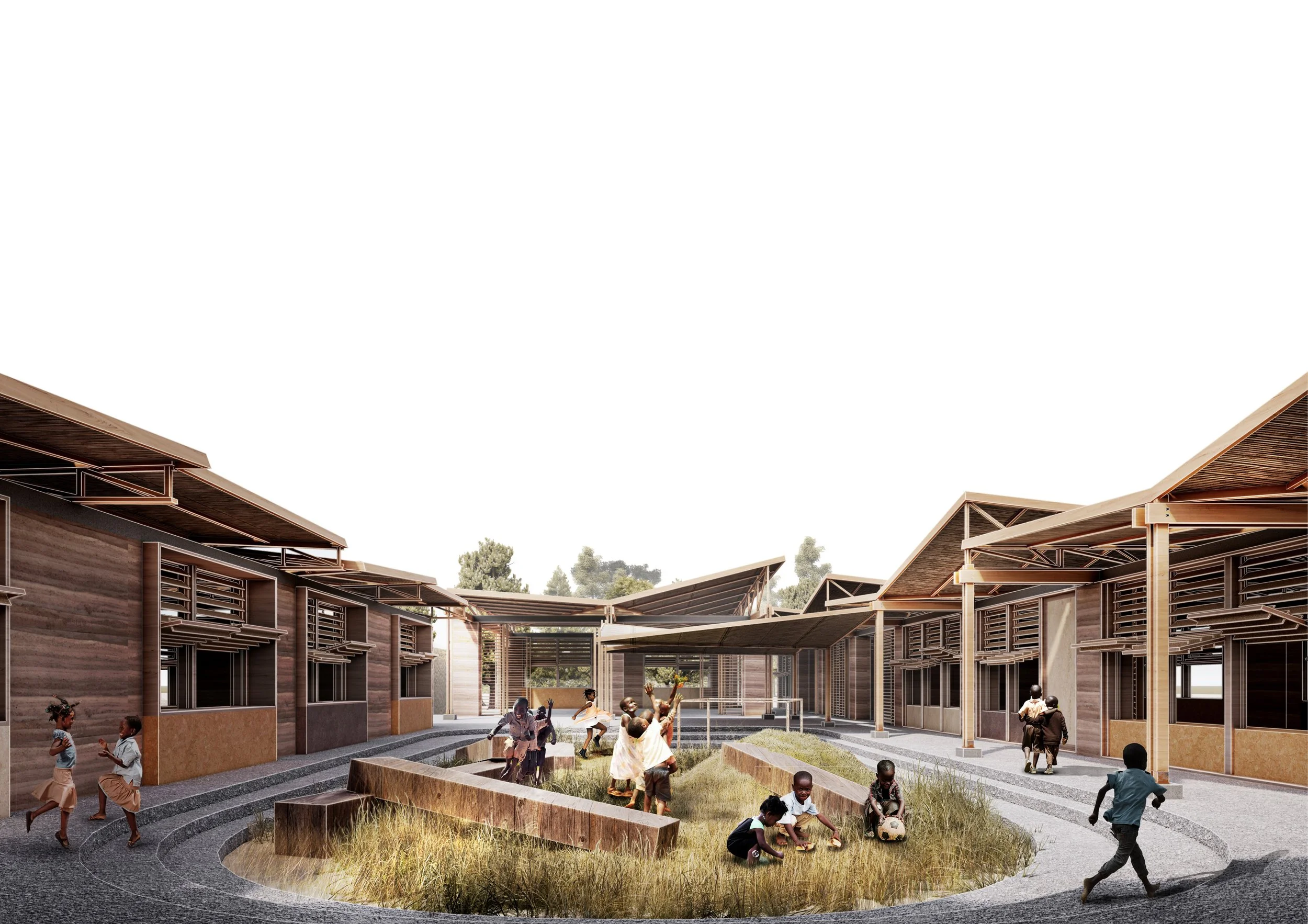
“Designed as a learning landscape, where spaces are not fixed to one function but evolve based on activity”
Multi-functional environments that adapt to different teaching modes
The Co-School is designed as a learning landscape, where spaces are not fixed to one function but evolve based on activity, time of day, or group size. Classrooms open up into outdoor courtyards, arcades become gathering zones, and stairs transform into stages or play areas. This spatial flexibility invites children to move fluidly between different modes of learning — quiet individual focus, collaborative group work, active play, and contemplative observation.
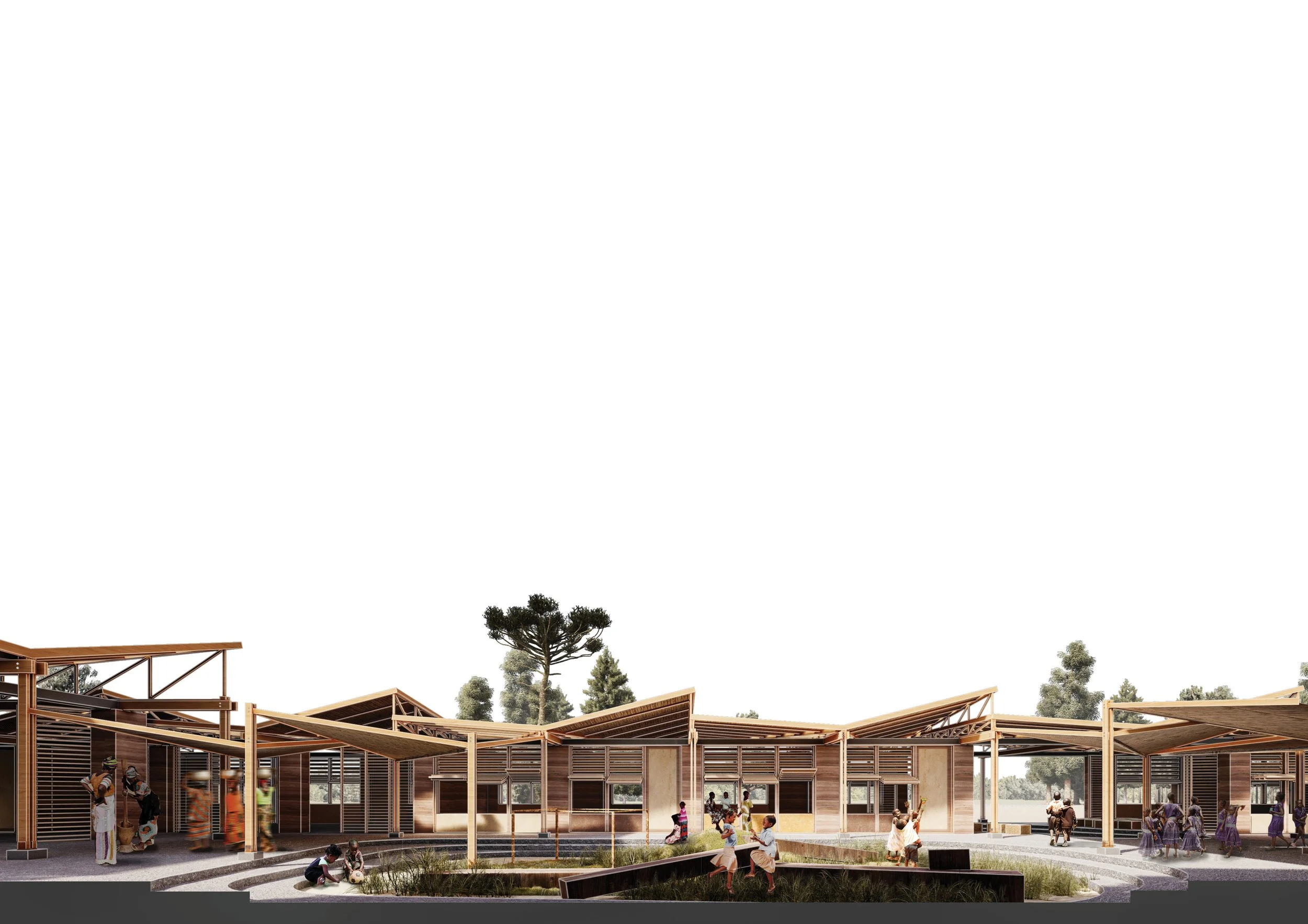
“This spatial flexibility invites children to move fluidly between different modes of learning — quiet individual focus, collaborative group work, and active play”
Rather than confining learning to rigid interiors, the architecture embraces openness and adaptability.
A classroom in the morning can host a nature talk or gathering in the afternoon. Small nooks offer comfort for solo reading, while larger open zones support collective celebrations or creative workshops. The result is a school environment that mirrors the way children think and grow: open-ended, playful, responsive, and full of possibility.
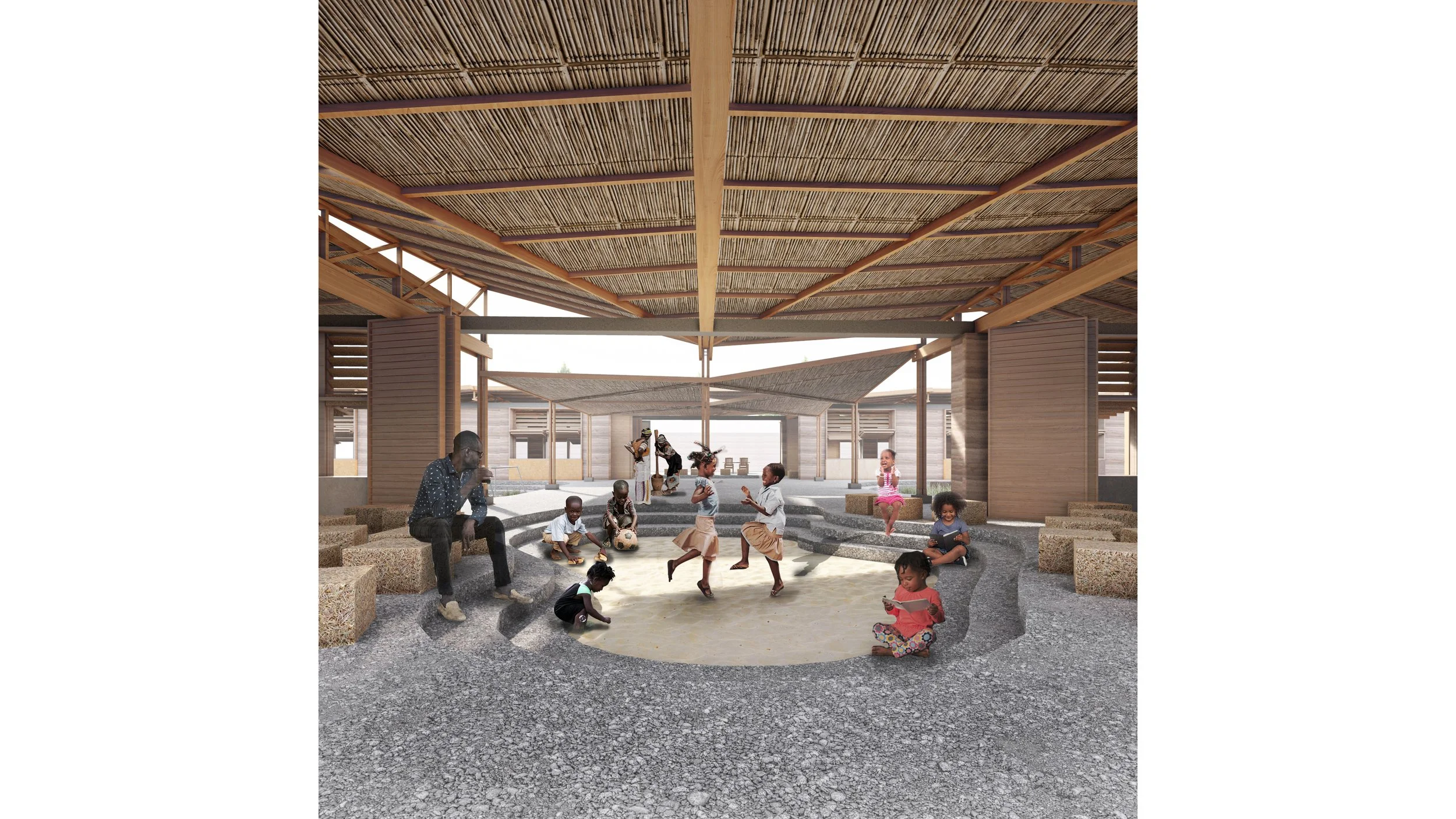
Adaptive & Sustainable Construction
A modular system that grows with the school’s needs, built with natural, locally sourced materials such as rammed earth, wood, and metal for durability and affordability.